
Sahara Pirie
I’m frequently asked how I came to this work; there is no short answer, but I’ll share some of the moments of greatest impact and the experiences that have led me here.
Within a decade, both my parents and my in-laws died. My father, of stage 4 lung cancer; my mother, of a stroke; my in-laws, of dementia and heart disease. Two of those deaths were as peaceful as anyone could hope for; the other two were not. The difference was stark, the impact forceful. Death of a loved one is tough enough without adding undue difficulty to the experience. Through my grief I kept revisiting what could have made a difference and how to have a death that is well supported and as easy as possible.
During that same period, I faced my own scary diagnosis; twice, with cancer. Facing this uncertainty can tear the fabric of your reality and force you to look at the world differently. As I evaluated my own mortality, I gained clarity on what is important and maybe even more so, what is not.
What I thought was a crooked path of careers turned out to be a path of preparation. From a science degree that offered a foundation in structure and project management, to 35 years as a Massage Therapist, listening carefully, applying skills and attuning to what was helpful, to decades as a Parent Educator & Coach, helping others understand development, behavior and the effects of trauma. The contours of my past professional life and my personal experiences have placed me in a unique position to support those facing end-of-life. And it is work I love. It is a privilege to serve this sacred time and an honor to be present.
End-of-life is a very personal journey and is not likely to be well supported by our current corporate models. Death will ultimately come to all of us. The questions I carry with me, the ones at the heart of my practice, are how can we support that passage in the most dignified way? How can we reduce the noise and sink into what matters most? What might it look like for you to have that process supported?
Wherever you are in this process, I’d be glad to talk with you. I offer a free consultation to meet, answer your questions, and see if this is the right fit.
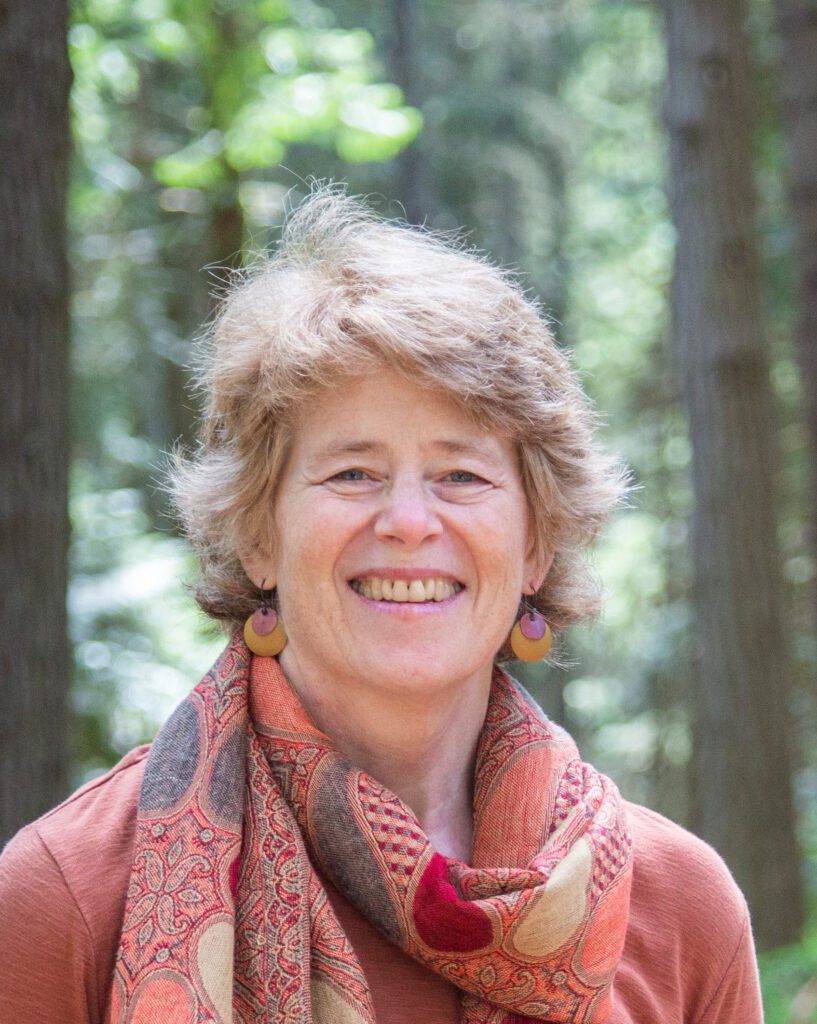
Portrait by William Rugen Photography © 2025
Common questions
What does an End-of-Life Doula do?
An End-of-Life Doula provides non-medical, holistic support to individuals and families navigating the dying process. We speak often of the labor of giving birth, but rarely of the labor of dying — that labor deserves guidance too.
What this support looks like varies from family to family, but often includes:
- Help with logistics, from everyday tasks to setting up visiting hours and guidelines
- Support in getting affairs in order and saying goodbye
- Advocacy and mediation to ensure the dying person’s wishes are honored
- Respite, companionship, and sitting vigil
- Guidance for after-death care of the body
And often, more than a list can capture.
When should I engage an End-of-Life Doula?
This is deeply individual; there is no singular point that applies to everyone. It may be helpful to ask, ‘when would support in preparing for death feel helpful?’
Maybe a loved one has received a terminal diagnosis, and you want support for them or help navigating what comes next. Maybe someone close to you has recently died, and it has you thinking about your own preparedness. Maybe you’ve had an accident or illness, and you have new priorities in preparation.
Often, big questions arise alongside all of this: What do I want to do before I die? What would a well-supported death look like for me? Do my loved ones know my wishes? How do I want to live until I die? But there are still medical appointments, dishes to wash, bills to pay, obligations to keep — and in the pull of what’s urgent, what’s important quietly gets put off.
There’s a common belief that you should wait until someone is actively dying to bring in a doula. In my experience, the opposite is true. Meeting before that point gives us time to build a relationship rooted in honesty and trust. That trust is what makes the smoothest transitions possible.
What role do you typically play alongside existing medical and hospice teams?
I offer non-medical support, and I see my role as one part of a larger team caring for you and your family, alongside nurses, social workers, and chaplains, with whom I’ve worked closely over the years.
Because of HIPAA guidelines, medical and hospice staff aren’t able to share information with me directly. But with your permission, I’m glad to share what I know with them, in support of your care.
I’m a good listener, and I hold space for whatever needs to be said. That said, I’m not a therapist. If something comes up that feels like it deserves deeper attention, I’ll gently encourage bringing it to the right person, whether that’s a medical or mental health practitioner.
Rates and Structure
How do you typically structure your support (e.g., hourly, packages, retainers)?
My hourly rate is $100. For longer-term needs, I’m happy to discuss retainers or package options that fit your situation.
Each family’s circumstances are different, so I don’t offer one-size-fits-all packages. Instead, we’ll talk through what you need and build something around that.
Do you offer a complimentary consultation or initial meeting?
Yes. I’m glad to offer a complimentary consultation, to talk through your needs and see if I’m the right fit for your family.
Do you have experience working with families and children?
I do. As a mother, a parent coach, and someone who has worked closely with the dying. Engaging with dignity and respect matters deeply to me, especially when stress is high and emotions are close to the surface.
I bring strong people skills, trauma informed practices and a steady, problem-solving presence to that work. I believe connection and inclusion are at the heart of good communication — especially in families, and especially in moments like these.